20401 State Road 7, Suite G11, Boca Raton, FL 33498
Do Dental Bridges Last 10 Years or Longer? Here’s What Determines That


Many patients at Mission Bay Family Dentistry ask the same important question: do dental bridges last 10 years or longer, and what determines that in Boca Raton? It is a smart question. A dental bridge is a meaningful investment in your oral health and confidence. Understanding what affects longevity helps you protect that investment for years to come. Dr. Gary D. Levine and our team want every patient to get the most out of their dental work.
What Is the Average Lifespan of a Dental Bridge?
Most dental bridges last between 10 and 15 years with proper care. Some well-maintained bridges last 20 years or more. Others fail within five to seven years due to preventable factors. The range is wide because longevity depends on many individual variables.
The material of the bridge plays a significant role. Porcelain-fused-to-metal bridges are durable and long-lasting. All-ceramic bridges offer excellent aesthetics but may be more prone to chipping. Your dentist will recommend the best material based on the bridge location and your bite force.
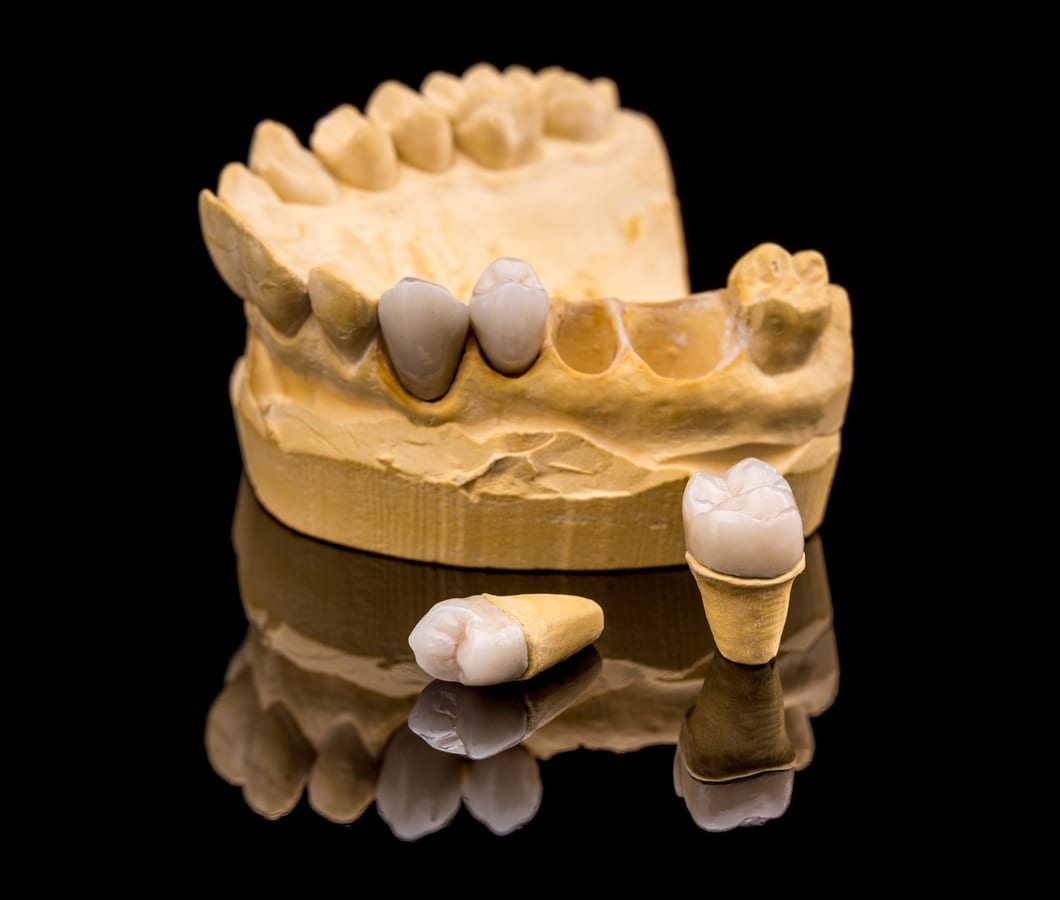
The skill of the placement also matters greatly. A properly fitted bridge distributes bite pressure evenly. This protects the abutment teeth — the teeth that anchor the bridge — from excess stress. At Mission Bay Family Dentistry, Dr. Levine places every bridge with precision and attention to long-term function.
Key Factors That Shorten a Bridge’s Lifespan in Boca Raton
Several habits and conditions can reduce how long your bridge performs well. Being aware of these helps you take action before damage occurs. Many patients in Boca Raton are surprised to learn that everyday behaviors have a major impact.
Here are the most common factors that shorten bridge longevity:
- Poor oral hygiene: Plaque buildup under and around the bridge leads to decay in the abutment teeth.
- Teeth grinding (bruxism): Grinding puts extreme pressure on the bridge and can crack or loosen it over time.
- Hard or sticky foods: Chewing ice, hard candies, or sticky caramel can dislodge or fracture a bridge.
- Skipping dental checkups: Small problems go undetected without regular professional exams.
- Gum disease: Inflammation and bone loss around abutment teeth weaken the entire bridge structure.
- Trauma or injury: Accidents or sports impacts can damage a bridge unexpectedly.
If you experience a dental emergency, do not delay. Prompt care from Emergency Dental Care Boca Raton can prevent minor issues from becoming major failures. Acting quickly is always better than waiting when your bridge feels loose or painful.
What You Can Do to Make Your Dental Bridge Last Longer
The good news is that you have significant control over your bridge’s lifespan. A consistent oral care routine makes a measurable difference. Dr. Levine provides personalized guidance to every patient based on their specific bridge and bite.
Follow these proven steps to extend your bridge’s life:
- Brush twice daily using a soft-bristle toothbrush and fluoride toothpaste.
- Use a floss threader or water flosser to clean beneath the bridge every day.
- Wear a custom nightguard if you grind your teeth during sleep.
- Avoid hard and sticky foods that put unnecessary stress on your bridge.
- Attend checkups every six months so your dentist can monitor the bridge and supporting teeth.
- Address sensitivity or pain immediately rather than waiting for symptoms to worsen.
Routine teeth cleanings also protect the abutment teeth from decay. Your hygienist uses specialized tools to clean around and under bridge margins. This simple step dramatically reduces the risk of early bridge failure.
How Regular Dental Visits Extend Bridge Longevity in Boca Raton
Professional monitoring is one of the most overlooked factors in bridge longevity. Your dentist can identify micro-cracks, early decay, and gum recession before they become serious. Early intervention nearly always costs less and causes less disruption than full replacement.
During routine visits, Dr. Levine checks the fit and margin seal of your bridge. He also evaluates the health of the surrounding gums and supporting bone. If he spots any concern, he addresses it promptly with conservative treatment.
Boca Raton’s warm, humid climate means patients are often more prone to dry mouth from air conditioning and outdoor heat. Dry mouth reduces saliva flow, which increases plaque buildup risk. Staying hydrated and discussing dry mouth symptoms with your dentist helps protect your bridge.
For patients interested in maximizing both the health and appearance of their smile, Cosmetic Dentistry Boca Raton options can complement your bridge work beautifully. A cohesive, well-maintained smile supports both aesthetics and function for years ahead.
When a Bridge Needs Replacement and What to Expect
Even a well-cared-for bridge will eventually need replacement. Knowing the warning signs helps you act at the right time. Catching problems early can sometimes allow for repair rather than full replacement.
Watch for these signs that your bridge may need attention:
- Sensitivity or pain around the bridge area
- Visible chips, cracks, or darkening of the bridge
- Feeling like the bridge does not fit as snugly as before
- Bleeding or swelling around the abutment teeth
- A change in how your upper and lower teeth come together
When replacement is necessary, the process closely mirrors the original placement. Your dentist will evaluate whether the abutment teeth remain healthy enough to support a new bridge. In some cases, a dental implant may offer a more permanent long-term solution.
Dr. Levine discusses all options with patients honestly and without pressure. The goal is always to choose what best supports your health and quality of life over the long term.
Conclusion: Protecting Your Bridge Starts Today
So, do dental bridges last 10 years or longer? Absolutely — and many last far beyond that with the right care. What determines that in Boca Raton comes down to daily habits, professional support, and timely action when problems arise. Mission Bay Family Dentistry is here to guide you through every stage of your bridge’s life. Book Now to schedule your appointment with our team.
Frequently Asked Questions
How long do dental bridges typically last?
Most dental bridges last between 10 and 15 years. With excellent oral hygiene and regular dental checkups, some bridges last 20 years or more. Individual factors like diet, oral habits, and material choice all affect the final lifespan.
What is the biggest threat to a dental bridge’s longevity?
Poor oral hygiene is the leading cause of early bridge failure. Plaque accumulation under the bridge causes decay in the abutment teeth, which weakens the entire structure. Teeth grinding is a close second, as it places excessive stress on the bridge material over time.
Can a damaged dental bridge be repaired instead of replaced?
Minor chips or loosening may be repairable depending on the extent of the damage. Your dentist will evaluate the bridge and the health of the supporting teeth before recommending repair or replacement. Prompt attention gives you the best chance of a simple fix.
Does flossing really matter when you have a dental bridge?
Yes, flossing is critical. Food and bacteria collect in the space between the bridge and gum tissue. Using a floss threader or water flosser daily removes debris that a toothbrush cannot reach, which protects the abutment teeth from decay.
Are dental bridges a permanent solution for missing teeth?
Dental bridges are a long-term but not necessarily permanent solution. They require eventual replacement after many years of use. Dental implants are considered a more permanent alternative, though bridges remain an excellent and effective option for many patients.